Quidditch Manager competitions: cups, Champions League and World Cup
Quidditch Manager has seven tournaments on top of the 21 domestic leagues: the European Cup, the Champions League, four continental cups and the Quidditch World Cup. This page explains how each one works, who qualifies, how often it is played, what it pays and where the finals are held.
Overview
| Competition | Entrants | How often |
|---|---|---|
| European Cup | 16 clubs from the European leagues | Every 2 to 4 seasons |
| Champions League | 32 clubs from all 21 leagues | Every 5th season |
| Copa América, North American Cup, All-African Cup, Asian & Oceanian Cup | 8 clubs each | In European Cup seasons |
| Quidditch World Cup | 32 of 42 nations | Every 4th season |
A career is played in numbered seasons of 52 weeks. The domestic leagues finish by week 37, and the tournaments start in week 40, so a tournament never clashes with a league match. At most one of the European Cup, Champions League and World Cup is held in a given season. Clubs qualify through their league results, and the league pages show how many places each league has.
European Cup
The European Cup is the continental club championship for Europe. 16 clubs qualify from the European leagues: 3 from the British & Irish League, 2 from the Spanish League, 1 from the Portuguese League, 2 from the German League, 2 from the French League, 1 from the Italian League, 1 from the Balkan League, 1 from the Nordic League, 1 from the Polish League, 1 from the Luxembourg League and 1 from the Liechtenstein League.
| League | European Cup places |
|---|---|
| British & Irish League | 3 |
| Spanish League | 2 |
| Portuguese League | 1 |
| German League | 2 |
| French League | 2 |
| Italian League | 1 |
| Balkan League | 1 |
| Nordic League | 1 |
| Polish League | 1 |
| Luxembourg League | 1 |
| Liechtenstein League | 1 |
Qualification
The game looks at the last 3 completed league campaigns, including the current one. Within a league, clubs are ranked by titles won in that window (every title counts equally), then combined league wins, then how recently they won a title. A one-place league therefore sends the best club of the window, which is not always the reigning champion. In leagues with playoffs the champion is the playoff winner.
Format
The 16 clubs are drawn into 4 groups of 4 from four reputation pots, one club from each pot per group, with clubs from the same league kept apart where possible. Each group plays a round-robin of 3 matches per club. The top 2 of each group go through to the knockout rounds: Quarter-finals (week 43), Semi-finals (week 44) and Final (week 45). All matches are played at neutral tournament grounds, and the final stadium holds 80,000. The winner gains 2 reputation points.
When
Every third season is a target (3, 6, 9 and so on). A target that falls on a World Cup or Champions League season, or straight after the previous European Cup, moves to the next free season. The gaps are therefore 2 to 4 seasons: seasons 3, 6, 9, 13, 17, 19, 22, 26, 29, 31 and on.
Host sites
Each edition is held at one fixed site with four dedicated grounds, and the game works through this list in order.
| Host site | Country | Final stadium |
|---|---|---|
| Pyrenees | France | Cirque des Étoiles |
| Białowieża Forest | Poland | Żubr Clearing Stadium |
| Snowdonia | Wales | Cader Idris Cauldron |
| Rila Mountains | Bulgaria | Seven Lakes Bowl |
| Lofoten Islands | Norway | Maelstrom Stadium |
| Sierra Nevada | Spain | Estadio Mulhacén |
| Müllerthal | Luxembourg | Sandstone Gorge Stadium |
| Pindus Mountains | Greece | Vikos Gorge Stadium |
Champions League
The Champions League is the one tournament open to every league. 32 clubs take part: 26 league places plus 6 wildcards.
Qualification
Every league has at least one place. The British & Irish, German, French and Spanish leagues have more, as the table shows. Places are decided over the last 5 completed campaigns with the same ranking as the European Cup. The 6 wildcards go to the latest Champions League winner and the latest winner of each of the other 5 cups (the European Cup and the 4 continental cups). If a holder has already qualified, or a cup has not been played yet, the wildcard goes to the best remaining club, measured by win rate multiplied by the strength of its league over the last 5 campaigns.
Format
Eight groups of four, drawn from four reputation pots, each group a round-robin of 3 matches per club in weeks 40 to 42. The top 2 of each group play a Round of 16, quarter-finals, semi-finals and a final in weeks 43 to 46. The winner also gains reputation at the end of the season. It is held every fifth season, moved one season later when it would fall on a World Cup: seasons 5, 10, 15, 21, 25, 30, 35, 41, 45, 50.
Host sites
| Host site | Country | Final stadium |
|---|---|---|
| Daisetsuzan range, Hokkaido | Japan | Daisetsu Snowfield Stadium |
| Yukon icefields | Canada | Aurora Icefield Stadium |
| Chalbi Desert | Kenya | Chalbi Mirage Stadium |
| Great Smoky Mountains | USA | Blue Smoke Stadium |
| Fiordland | New Zealand | Doubtful Sound Stadium |
| Cloud forest of Manu | Peru | Cock-of-the-Rock Stadium |
| St Kilda | Scotland | Gannet Stack Stadium |
| Tasmanian highlands | Australia | Button Grass Bowl |
Continental cups
Clubs outside Europe have their own cups, played in the same seasons as the European Cup: the Copa América for South America, the North American Cup, the All-African Cup and the Asian & Oceanian Cup. Each has 8 clubs in 2 groups of 4. Every group is a round-robin of 3 matches per club in weeks 40, 41 and 42. The top 2 of each group reach the semi-finals (A1 against B2, B1 against A2) in week 43, and the final is in week 44. The winner gains 1 reputation point and takes a Champions League wildcard.
Qualification uses the last 3 campaigns, ranked as for the European Cup. A club plays in only one cup, because the fields do not overlap: European leagues play the European Cup, every other league belongs to one continental cup.
Copa América
Eight clubs: 3 from the Brazilian League, 3 from the Peruvian League and 2 from the Argentine League. Final stadium capacity: 75,000.
| Host site | Country | Final stadium |
|---|---|---|
| Pantanal | Brazil | Estadio Ninho do Tuiuiú |
| Iguazú | Argentina | Estadio Cataratas |
| Lake Titicaca | Peru | Estadio Isla del Sol |
| Lençóis Maranhenses dunes | Brazil | Estadio Mar de Lençóis |
North American Cup
Eight clubs: 3 from the Canadian League, 3 from the USA League and 2 from the Jamaican League. Final stadium capacity: 75,000.
| Host site | Country | Final stadium |
|---|---|---|
| Bay of Fundy | Canada | Hopewell Tide Stadium |
| Everglades | USA | Heron Slough Stadium |
| Blue Mountains | Jamaica | Blue Mountain Peak Stadium |
| Badlands | USA | Thunder Butte Stadium |
All-African Cup
Eight clubs from the single All-African League, with at most 2 from any one country. Final stadium capacity: 75,000.
| Host site | Country | Final stadium |
|---|---|---|
| Simien Mountains | Ethiopia | Jinbar Falls Stadium |
| Rwenzori Mountains | Uganda | Margherita Snowfield Stadium |
| Bandiagara Escarpment | Mali | Dogon Cliff Stadium |
| Lake Volta | Ghana | Akosombo Gorge Stadium |
Asian & Oceanian Cup
Eight clubs: 3 from the Australian League, 3 from the Japanese League and 2 from the New Zealand League. Final stadium capacity: 75,000.
| Host site | Country | Final stadium |
|---|---|---|
| Kimberley | Australia | Bungle Bungle Stadium |
| Tongariro | New Zealand | Ngauruhoe Cone Stadium |
| Yakushima | Japan | Jomon Cedar Stadium |
| Whitsunday Islands | Australia | Hill Inlet Stadium |
Quidditch World Cup
The World Cup is the national-team tournament, played every fourth season (4, 8, 12, 16, 20, 24 and on). 32 nations take part out of the 42 in the game.
Qualification
The 42 nations are split into three tiers. All 8 tier 1 nations and all 12 tier 2 nations are in. The other 12 places go to a seeded draw among the 22 tier 3 nations. The host nation and the nation of the club you manage always take part: a tier 3 nation takes one of the 12 places.
| Tier | Nations |
|---|---|
| Tier 1 (8, always in) | England, Ireland, Bulgaria, France, Germany, USA, Brazil and Australia |
| Tier 2 (12, always in) | Scotland, Wales, Poland, Norway, Portugal, Spain, Italy, Sweden, Canada, Argentina, New Zealand and Denmark |
| Tier 3 (22, 12 places drawn) | Lithuania, Luxembourg, Japan, Nigeria, Jamaica, Peru, Togo, Tanzania, Iceland, Estonia, Latvia, Albania, Croatia, Greece, Slovenia, Ethiopia, Uganda, Ghana, Mali, Kenya, Benin and Liechtenstein |
Format
The draw uses four pots: pot 1 holds the 8 tier 1 nations, pot 2 the 8 strongest tier 2 nations, pot 3 the other tier 2 nations and the strongest tier 3 nations, and pot 4 the rest. Each of the 8 groups of 4 takes one nation from each pot. After the group stage come a Round of 16 (8 matches), quarter-finals, semi-finals and the final. Every nation names 11 players: the starting seven (Keeper, three Chasers, two Beaters, Seeker) and one reserve for each role.
You can pick a nation to coach or follow the whole tournament as a spectator. Injuries, fitness and morale that players pick up at the World Cup carry back to their clubs.
Host sites
Every World Cup is held in a remote part of a host nation, at one of 12 fixed sites used in order.
| Host site | Country | Final stadium |
|---|---|---|
| Patagonian Desert | Argentina | Estadio Viento del Sur |
| Dartmoor | England | Great Mire Stadium |
| Crater Highlands | Tanzania | Crater of Lions |
| Volcano Islands | Japan | Storm Petrel Stadium |
| Rannoch Moor | Scotland | The Stag's Cauldron |
| Amazon basin | Brazil | Arena Curupira |
| Askja highlands | Iceland | Northern Lights Bowl |
| Red Centre | Australia | Billabong Bowl |
| Great Basin | USA | Thunderbird Mesa |
| Hardangervidda plateau | Norway | Selma's Deep |
| Altiplano | Peru | Condor's Rest |
| Black Forest | Germany | Schwarzwald Kessel |
The 42 nations
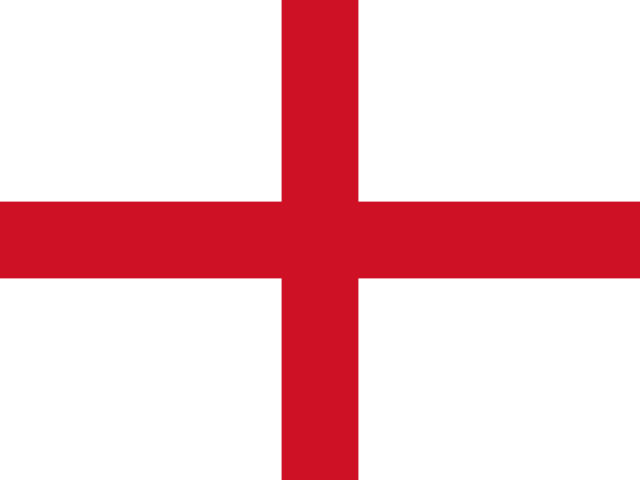 England
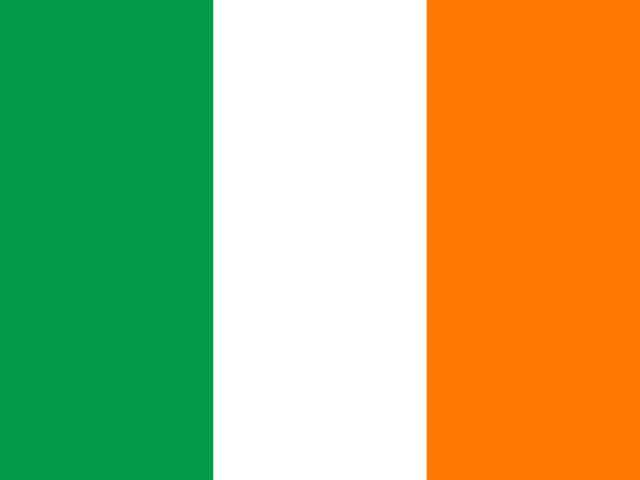 Ireland
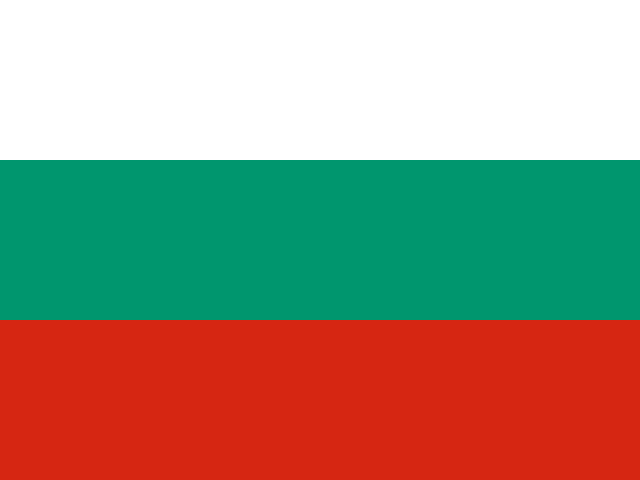 Bulgaria
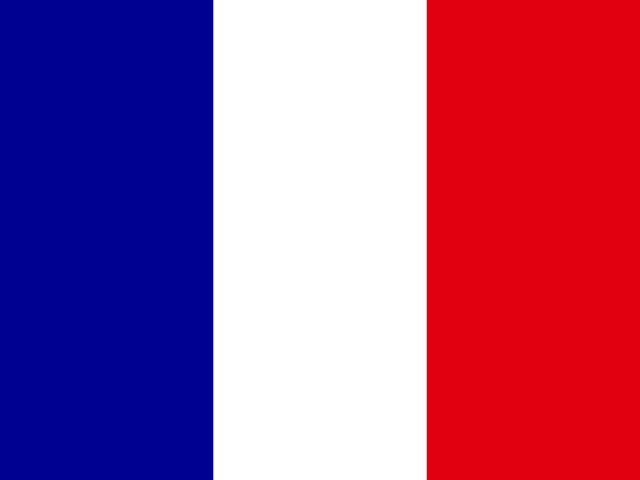 France
 Germany
 USA
 Brazil
 Australia
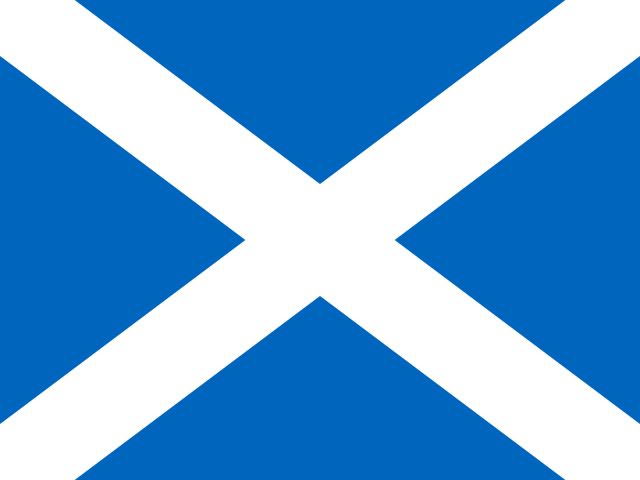 Scotland
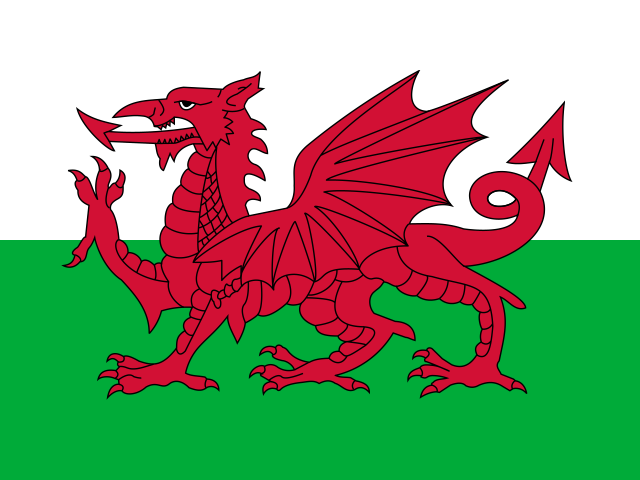 Wales
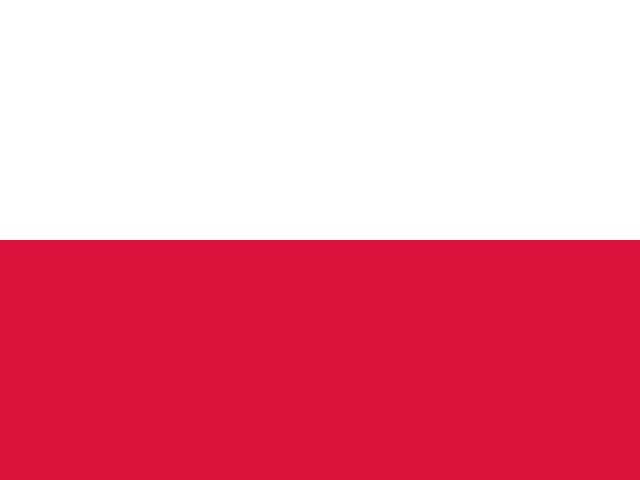 Poland
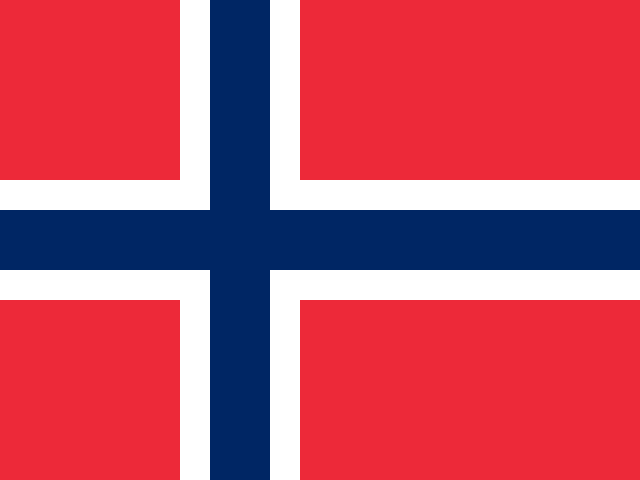 Norway
 Portugal
 Spain
 Italy
 Sweden
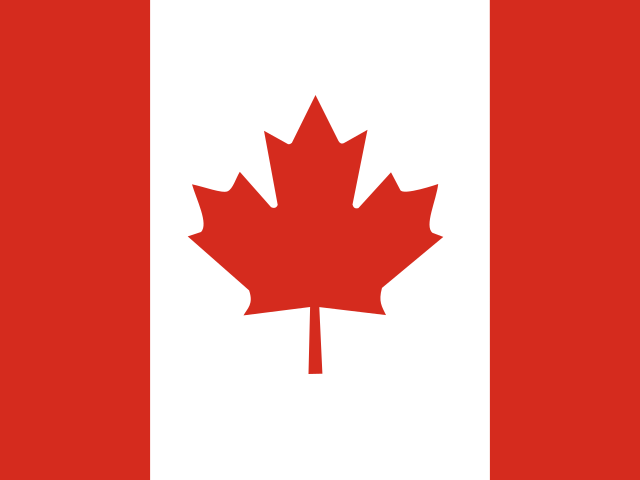 Canada
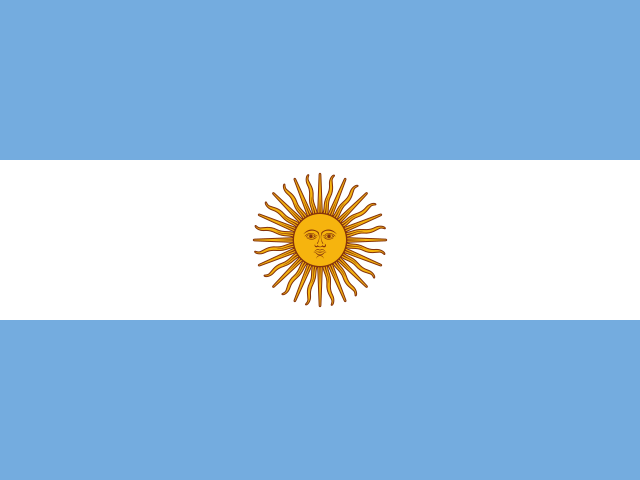 Argentina
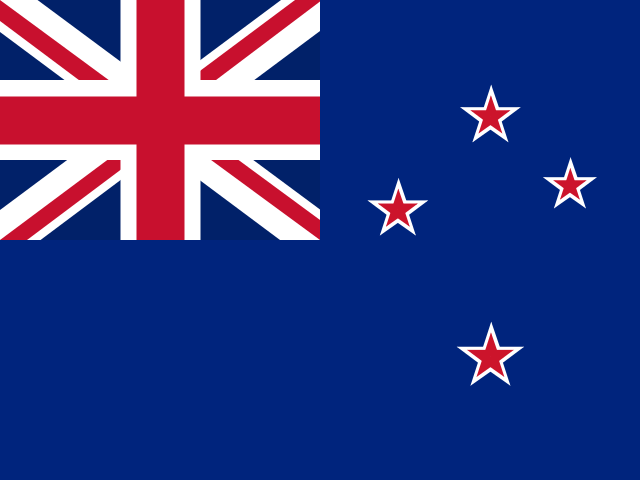 New Zealand
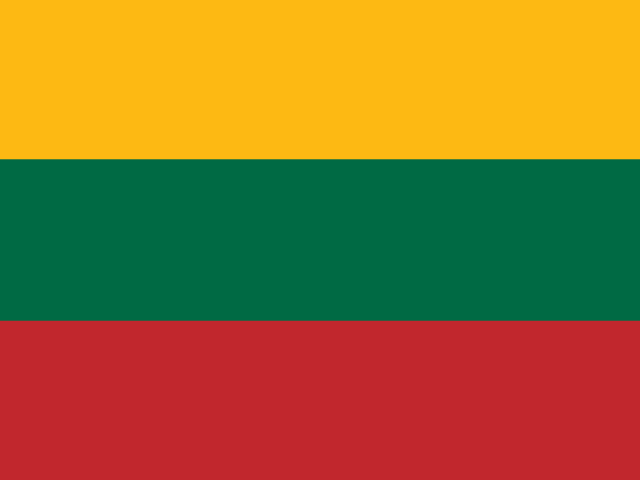 Lithuania
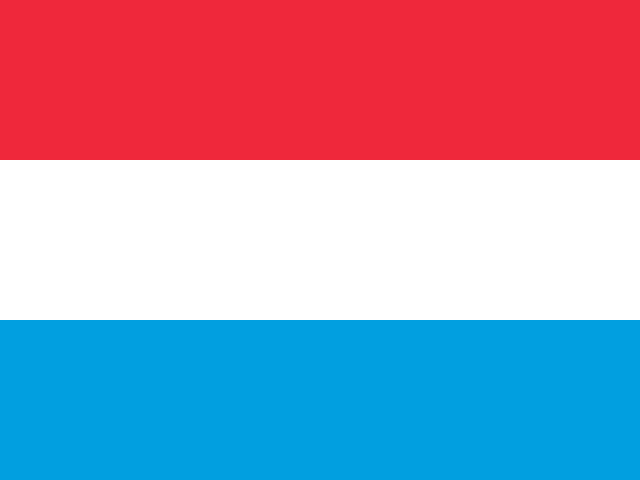 Luxembourg
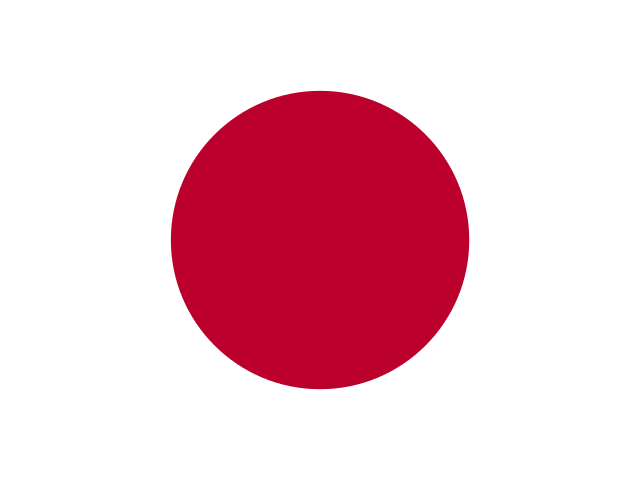 Japan
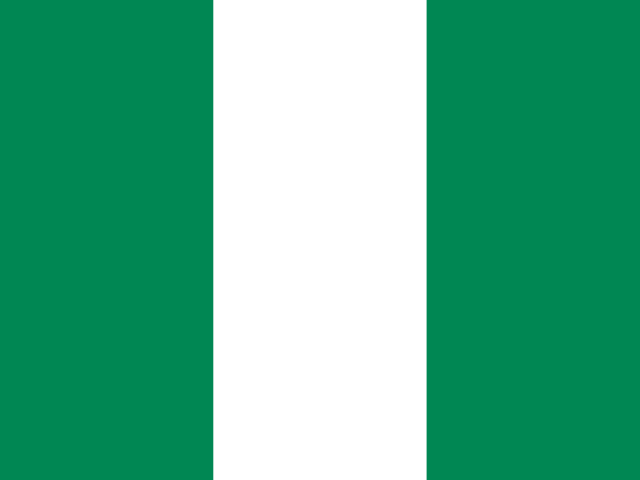 Nigeria
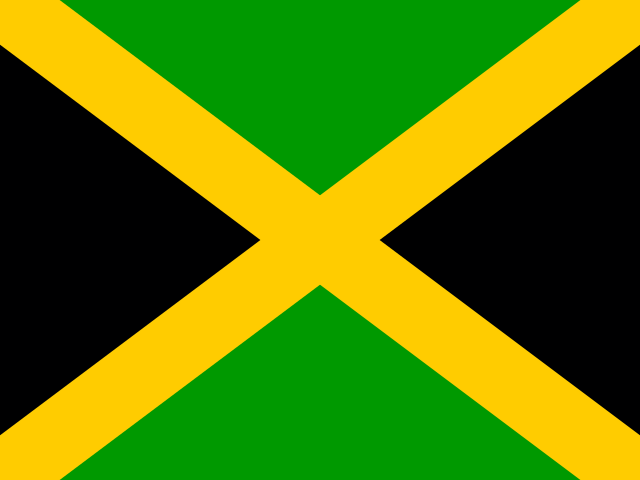 Jamaica
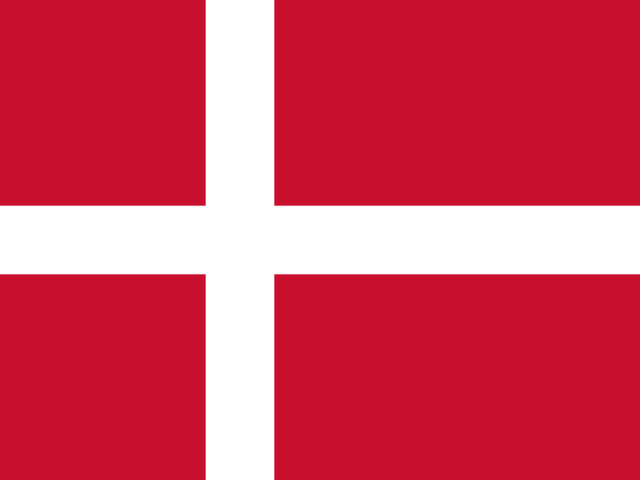 Denmark
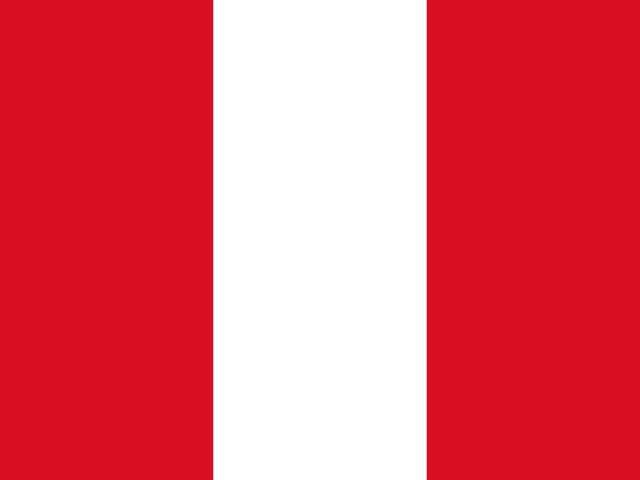 Peru
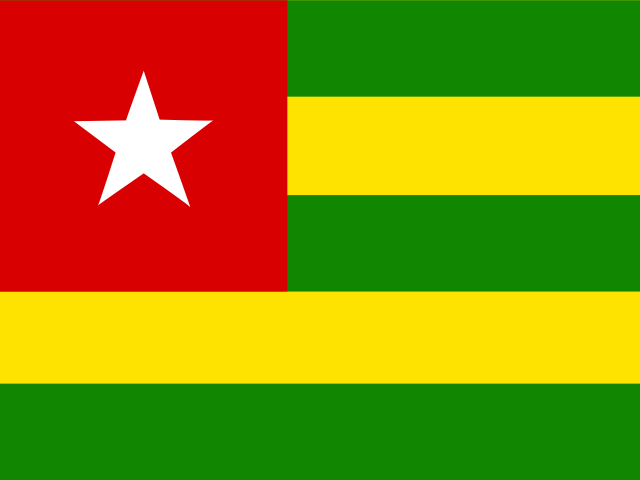 Togo
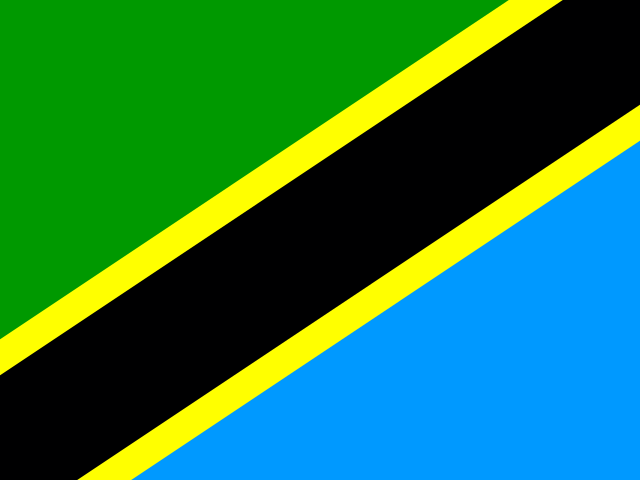 Tanzania
 Iceland
 Estonia
 Latvia
 Albania
 Croatia
 Greece
 Slovenia
 Ethiopia
 Uganda
 Ghana
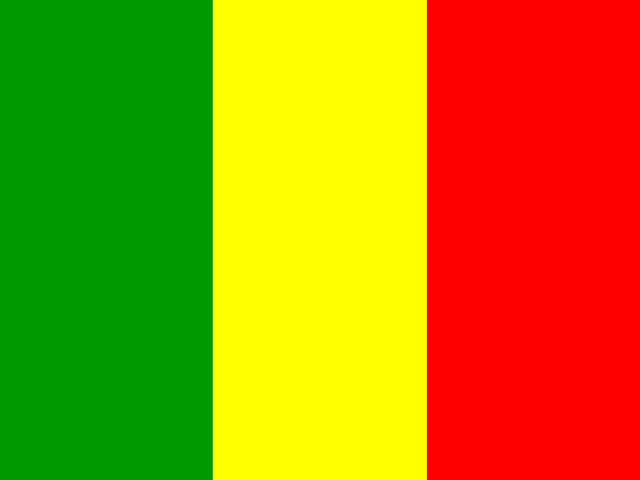 Mali
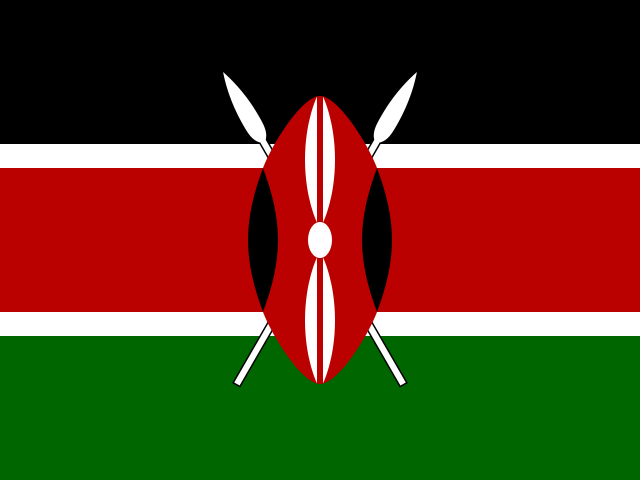 Kenya
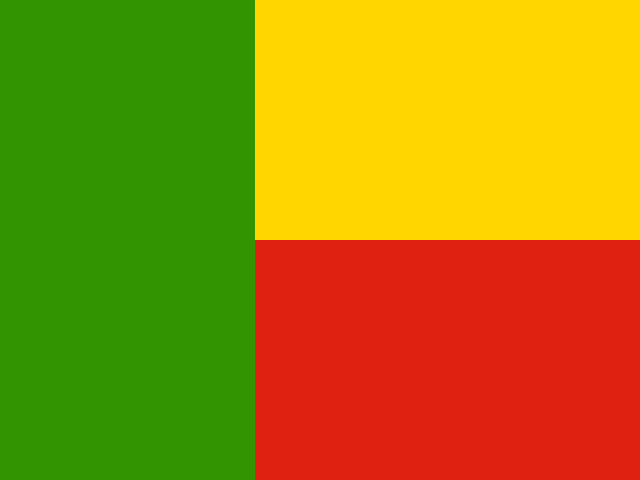 Benin
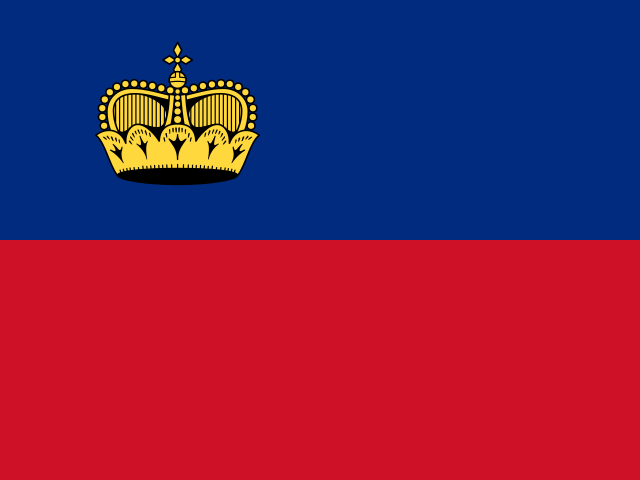 Liechtenstein
How group tables work
The European Cup, Champions League, continental cups and World Cup all use one group table. A win earns 2 table points and there are no draws, because a match ends when the Snitch is caught. The winner also earns a margin bonus of up to 5 extra points, whose size follows the Snitch value of your career:
| Snitch value | +1 from a margin of | +3 from | +5 from |
|---|---|---|---|
| 150 points | 50 | 100 | 160 |
| 50 points | 30 | 60 | 90 |
| 30 points | 30 | 50 | 80 |
Clubs level on points are separated by Snitch catches, then the fastest average catch time, then points difference, then points scored, and finally a seeded lot.
Prize money
Every participant is paid in the week of the final, according to the stage it reached.
| Stage reached | European Cup | Champions League | Continental cup |
|---|---|---|---|
| Group stage | 5,000 Galleons | 8,000 Galleons | 3,000 Galleons |
| Round of 16 | - | 14,000 Galleons | - |
| Quarter-final | 10,000 Galleons | 20,000 Galleons | - |
| Semi-final | 20,000 Galleons | 30,000 Galleons | 10,000 Galleons |
| Runner-up | 35,000 Galleons | 45,000 Galleons | 18,000 Galleons |
| Winner | 50,000 Galleons | 70,000 Galleons | 25,000 Galleons |
Cup matches earn no gate receipts, so prize money is the cup income. For the rest of the club's money, see the finances section of the beginner's guide.